A few years ago, many food companies focused mainly on taste, texture, and shelf life. If a product performed well, that was often enough.
Today, the conversation looks different.
A product may taste great and still face questions from buyers. Retailers review ingredient lists more carefully. Brand owners spend more time discussing sourcing. Consumers read labels while standing in supermarket aisles. What goes into a product now matters almost as much as the product itself.
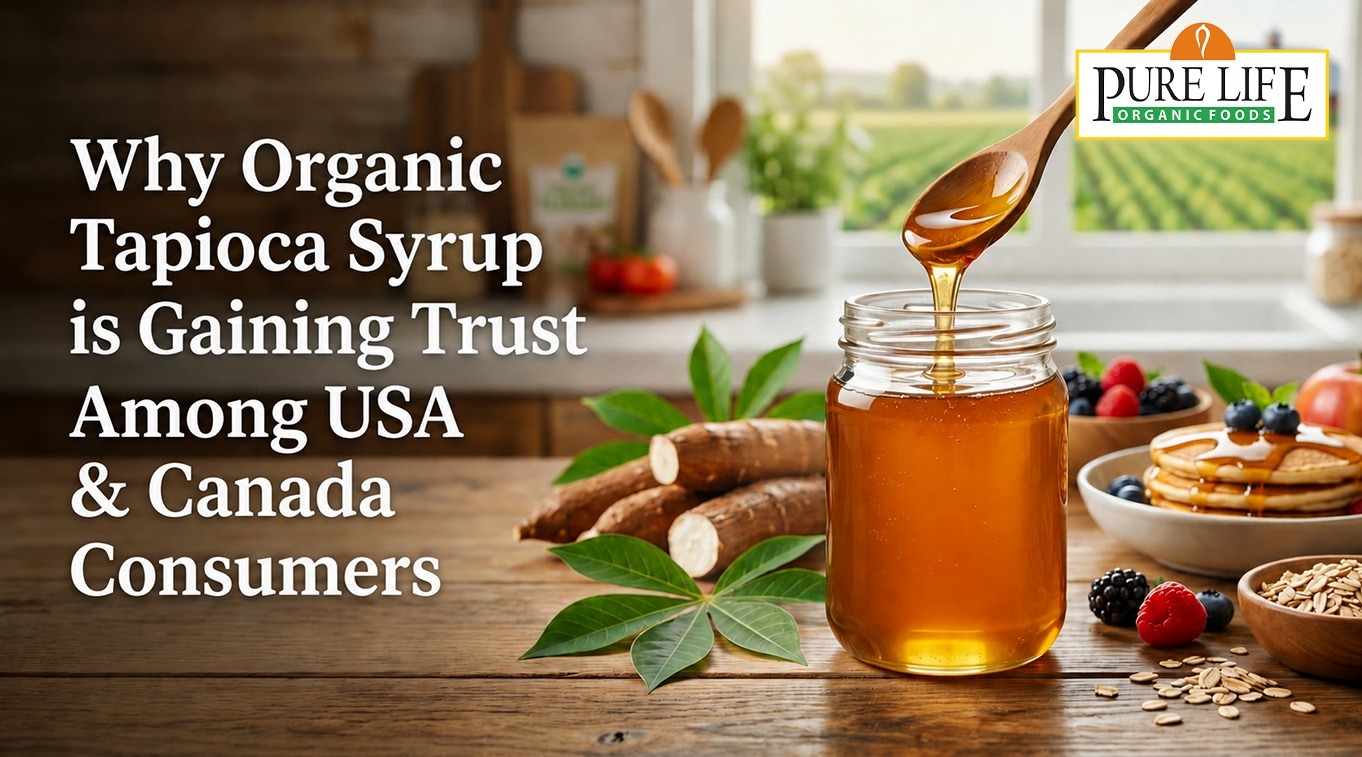
This shift has encouraged food manufacturers across North America to look more closely at ingredients they once overlooked. One ingredient that continues attracting attention is Tapioca Syrup.
The Ingredient List Has Become Part Of The Product
Food brands in the USA and Canada have noticed a change in buying behaviour.
Many shoppers turn a package around before placing it in their basket. They spend time reading ingredient labels. They look for products that feel familiar and straightforward. If an ingredient sounds complicated, questions often follow.
This is one reason food manufacturers have started exploring alternatives that fit modern label expectations.
For many companies, Tapioca Syrup has become part of that discussion.
Why Product Developers Are Paying Attention
Imagine a company preparing to launch a new snack bar. The flavour is approved. The packaging is ready. The texture is exactly what the development team wanted.
Then comes the final ingredient review.
At this stage, every ingredient matters. Product teams often ask practical questions. Will consumers recognise it? Will it support a clean label? Will it fit different dietary preferences?
These conversations have helped organic tapioca syrup gain attention across multiple product categories.
Trust Often Starts With Transparency
Consumers may not know how ingredients are manufactured, but they understand transparency.
When people recognise ingredients and understand where they come from, confidence tends to increase. This is one reason clean-label products continue receiving attention throughout North America.
Organic tapioca syrup fits naturally into this preference. It is gluten-free, allergen-free, and non-GMO. For many brands, those characteristics support product positioning without creating unnecessary complexity.
The appeal is not limited to sweetness alone. Buyers increasingly value ingredients that fit changing consumer expectations.
One Ingredient, Many Applications
Food manufacturers rarely look for ingredients that solve only one challenge.
A confectionery producer may have different needs than a beverage company. A nutrition bar manufacturer may focus on texture, while a frozen dessert producer may focus on mouthfeel.
Organic tapioca syrup offers flexibility across a wide range of applications:
- Confectionery.
- Bakery products.
- Nutrition bars.
- Gummies.
- Ice creams.
- Beverages.
This versatility is one reason it continues appearing in product development discussions.
What Ingredient Buyers Usually Want To Know
When manufacturers evaluate ingredient suppliers, they rarely focus on price alone.
Questions usually follow.
- Can the supplier maintain quality consistently?
- Can production scale when demand increases?
- Can specifications be adapted to different formulations?
This is the area in which Pure Life has established trust with food manufacturers. The company is a 100% certified organic organisation and a farm-to-fork company. Its organic tapioca syrup is manufactured under recognised food safety systems and is certified with FSSC 22000, Kosher, and Halal.
For buyers supplying competitive North American markets, these details often influence purchasing decisions.
Why Flexibility Matters
No two formulations are exactly alike.
A syrup that performs perfectly in one product may not deliver the same result in another. Product developers understand this challenge very well.
Pure Life deals with this by offering several DE alternatives, such as 27, 40, 43, and 60. It has clear and brown syrup varieties, and sugar profiles can be customized to customer specifications.
This flexibility allows manufacturers to come up with products that fulfill their formulation goals rather than altering products to fit ingredient limitations.
An Increasing Trend in North America.
The interest in organic ingredients has no single trend. It is a greater shift in the manner in which people evaluate food products.
Consumers want transparency. Brands want reliable ingredient partners. Product developers want ingredients that perform consistently.
Organic tapioca syrup sits at the intersection of all three needs, which explains why it continues gaining attention across the USA and Canada.
Final Thoughts
It is not possible to establish trust in a short period. It is founded on consistency, transparency, and product reliability. Pure Life has become a trusted organic ingredient partner through its farm-to-fork, fair trade, certified organic production and flexible organic tapioca syrup solutions. With food manufacturers still adjusting to evolving consumer demands, Pure Life is still committed to assisting brands in ingredient solutions that are both quality, traceable, and versatile.
FAQs
Many brands are fulfilling consumer demand to know what is in their products and clean-label products. Organic tapioca syrup helps to achieve those goals and provides flexibility in formulations.
Yes. It is gluten-free, allergen-free, and non-GMO, which implies that it can be utilized in a wide variety of dietary preferences and product types.
It finds extensive application in confectionery, bakery, nutrition bars, gummies, beverages, and in frozen dessert applications.
Pure Life uses certified organic, fair trade, farm-to-fork, multiple DE, and tailored sugar profiles to meet the needs of various customers. What is the reason why North American brands are becoming increasingly interested in organic tapioca syrup?
Is organic tapioca syrup suitable for specialised diets?
What are the industries that are typical users of organic tapioca syrup?
What makes Pure Life a special supplier?