When a business depends on tapioca starch for baking, sauces, soups or other food preparations, choosing the right manufacturer becomes an important decision. After all, the consistency and functional performance of every batch can influence the final product. Therefore, selecting a company merely because the price appears attractive may not always be the wisest approach.
Well, what should you examine before entering into a long-term agreement? A reliable Organic Tapioca Starch Manufacturer must offer more than a product catalogue. The company should have control over manufacturing, organic compliance, technical specifications and traceability. Let us understand the qualities that can help you make an informed decision.
Look For Genuine Manufacturing Control
The first question which comes to our mind is whether the company actually manufactures the product or simply trades it. A manufacturer with control over farming, processing and distribution can provide better visibility into the supply chain.
Pure Life positions itself as a manufacturer with farm-to-fork operations and states that its organic tapioca starch is made from cassava obtained from farms certified by the company. Such an integrated approach can be valuable for buyers who require greater transparency regarding ingredient origin and processing. Anic and Food Safety Standards
The word “organic” should never be treated as a decorative label. Before finalising a manufacturer, check whether the organisation follows recognised organic and food safety systems and can provide the required documentation.
Pure Life states that its manufacturing sites follow GMP and HACCP requirements and are GFSI compliant, while its wider certification profile also includes Kosher, Halal, SMETA and WCA approvals. These credentials help buyers evaluate whether structured systems exist for production, handling and compliance. Product Specifications Carefully
A dependable manufacturer should provide clear technical specifications instead of relying on broad quality statements. Details concerning moisture, pH, ash, starch content and colour can help buyers understand the expected characteristics of the ingredient.
Pure Life lists the following specifications for its organic tapioca starch:
- Moisture: maximum 13%
- pH of a 10% solution at 25°C: 4.5 to 6.5
- Ash: maximum 0.20%
- Granulometry: 99.00%
- Starch content: minimum 85%
- Colour: pure white
Such information allows procurement and product development teams to compare requirements before regular production begins. Consistency Across Batches
A specification sheet is useful, but consistent performance is equally important. Imagine preparing a sauce with the required viscosity one month and finding that the next batch behaves differently. Would that not affect production planning?
Therefore, the manufacturer should have systems for batch control, testing and standardisation. Buyers should also examine whether certificates, test reports and product documentation can be provided when required. Consistency becomes particularly important when tapioca starch is used across multiple formulations.
Understand The Source Of The Cassava
The quality journey begins long before starch reaches the production unit. Therefore, it is beneficial to understand where the cassava comes from and how closely the manufacturer works with the agricultural base.
The company states that its Vietnam project expanded its product line into organic tapioca starch and syrup. The project area covers around 2,100 hectares and involves more than 1,000 small farmers, giving buyers additional visibility into the wider production chain. Supply Readiness
A reliable manufacturer should also be prepared to support the volume and delivery requirements of commercial buyers. Production capability, documentation, packaging discipline and shipment coordination matter because even a suitable ingredient loses value when supply becomes unpredictable.
Assess Functional Suitability For Your Application
Not every buyer needs tapioca starch for the same reason. Some may require a thickener for soups or gravies, while others may need stability in baked goods. Hence, the manufacturer should clearly explain where the ingredient can be used.
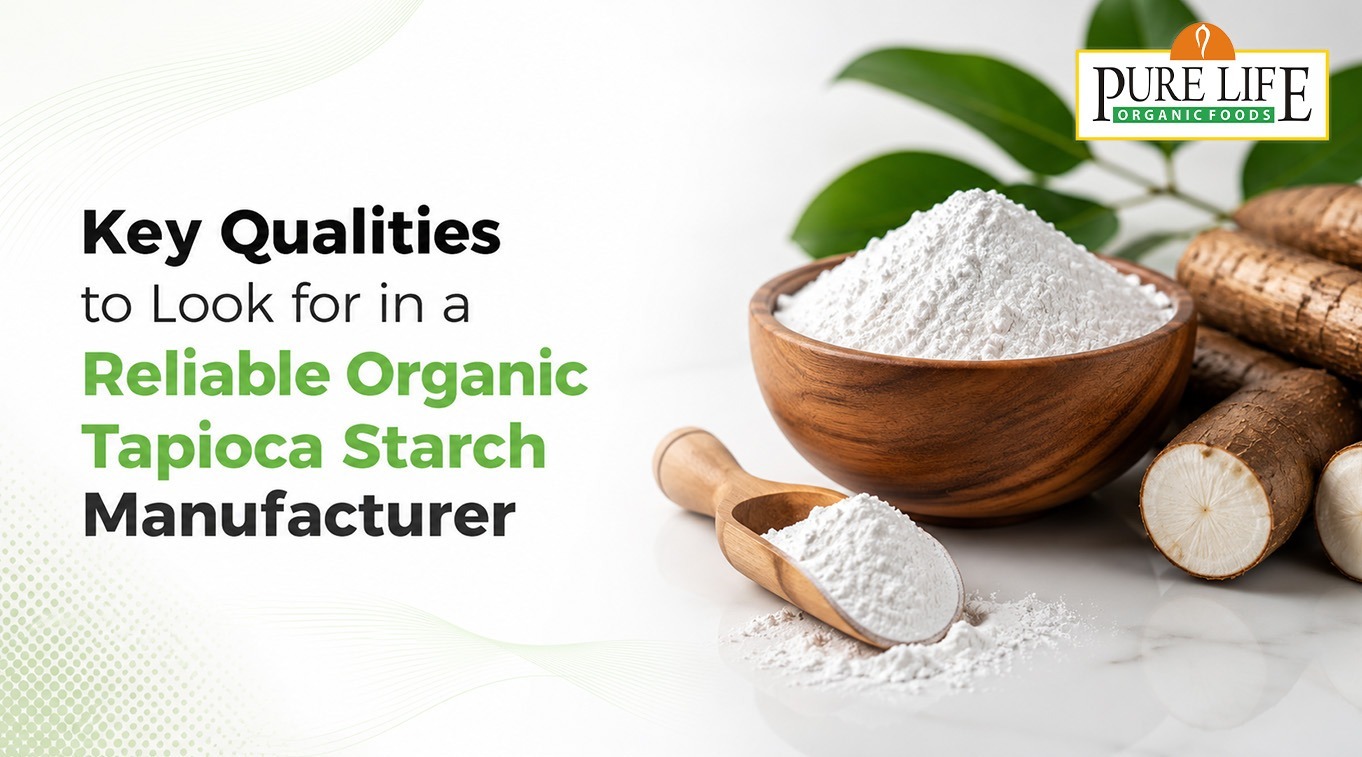
The product is described as a gluten-free thickener and stabiliser with a neutral flavour. It is also presented as a substitute for rice and corn starches and suitable for baking, soups, sauces and gravies. A neutral flavour can be useful when the starch should not interfere with the original taste of a formulation. ght Commercial Questions
Before making the final decision, it is better to ask a few direct questions:
- Can the manufacturer provide current organic and food safety documentation?
- Are the specifications consistent from batch to batch?
- Is there traceability from cassava farms to the finished starch?
- Can the company manage the volume required by your business?
- How are storage, packaging and shipment conditions controlled?
The answers can show whether the company is prepared for a long-term commercial relationship rather than merely a one-time transaction.
Conclusion
Finding the right manufacturer requires more than checking a quotation and placing an order. You need to examine production control, organic compliance, specifications, traceability, functional performance and supply reliability together. After all, the right ingredient partner should make procurement easier, not introduce new uncertainties.
As a manufacturer of organic bulk ingredients with farm-to-fork operations, Pure Life brings manufacturing control, certified processes and defined product specifications into the discussion. Therefore, when evaluating an Organic Tapioca Starch Manufacturer, focus on the systems behind the starch as carefully as you focus on the starch itself.
FAQs
What Certifications Should An Organic Tapioca Starch Manufacturer Provide?
A reliable manufacturer should provide valid organic certification and relevant food safety documentation. Depending on your market, you may also examine manufacturing practices, traceability systems, audit records and specific customer requirements.
Why Are Tapioca Starch Specifications Important For Commercial Buyers?
Specifications help buyers understand whether the starch can perform consistently in its intended application. Moisture, pH, ash, starch content, granulometry and colour may influence processing, storage and final product consistency.
How Can Buyers Verify Whether A Manufacturer Offers Proper Traceability?
Buyers should ask how cassava is grown, documented, transported and processed before becoming starch. Clear farm records, batch identification, production documentation and certification systems can provide greater visibility across the supply chain.