There is a small habit people have picked up recently, and most brands did not expect it to matter this much. Someone stands in a store aisle, flips a product, and just reads. Not quickly, not casually. They actually pause and go through the ingredients. That one moment has started influencing decisions inside boardrooms.
Earlier, food products were judged mostly on taste. If it tasted good, it stayed. If it did not, it disappeared. Simple enough. Now, taste is still important, but it is no longer the only thing that holds a product together. People want to feel comfortable with what they are eating, even if they cannot explain it perfectly. That is where Tapioca Syrup quietly starts entering conversations.
Why Sweetness Feels Different Now
There was a time when sugar was just sugar. Nobody asked where it came from or how it was processed. It was part of everything, and that was enough.
Things changed slowly. Not overnight. People began linking food with how they feel during the day. Energy levels, habits, even mood. Somewhere along the way, sweetness started getting questioned.
Artificial alternatives tried to step in, promising fewer calories and better control. But there is always a pause when something feels too engineered. You cannot always explain it, but you notice it. Brands noticed that pause too. And that pause matters.
Familiarity Plays a Bigger Role Than Expected
When someone reads an ingredient, they are not analyzing it scientifically. They are trying to recognize it. That is all. If it feels familiar, they move on. If it does not, they hesitate.
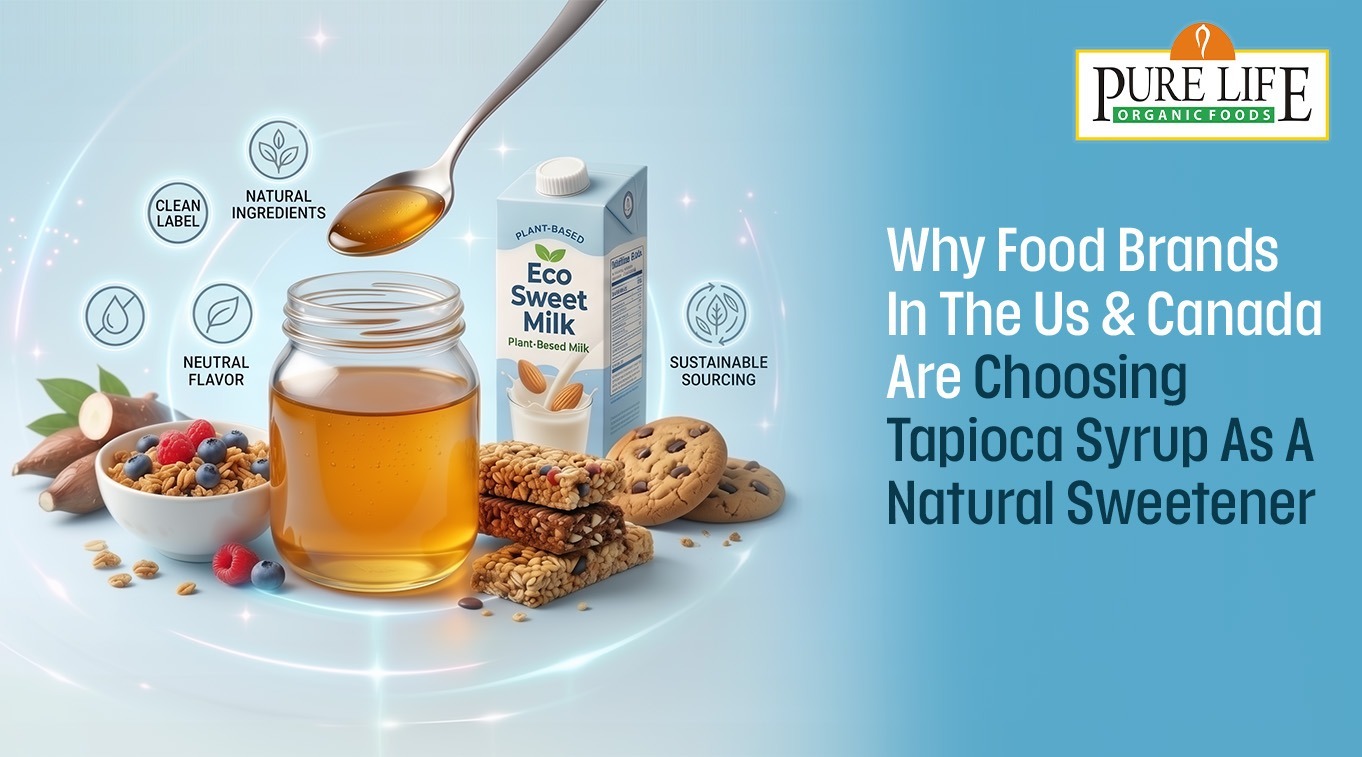
Tapioca Syrup works here in a very simple way. It comes from cassava, which is already used in many forms across different cuisines. It does not feel foreign or difficult to place. That small sense of familiarity reduces friction. No long explanations needed. No extra convincing required. It just sits well.
Taste Is Not About Sweetness Alone
Sweetness sounds straightforward, but it rarely is. It is not only about how sweet something feels at first bite. It is about what stays after. Some sweeteners hit too sharply. Some leave a strange aftertaste that you cannot ignore once you notice it. Others feel slightly off, even if you cannot explain why. Tapioca-based options behave differently. They do their job, but they do not draw attention to themselves. They stay in the background. That helps the main flavor remain what it was meant to be. It is a small detail, but product teams care about these things more than most people realize.
Consistency Behind the Scenes
From the outside, packaged food looks simple. Inside production, it rarely is. Every batch has to behave the same way. Texture, moisture, shelf stability. Small variations can create problems later, especially at scale.
Sweeteners influence more than just taste. They affect how a product holds together over time. That is where reliability becomes important. Tapioca-derived solutions tend to offer that steadiness. Not dramatic, not flashy. Just consistent. And consistency is often what keeps a product viable.
What Is Happening in the US and Canada
Consumers in these markets are not passive anymore. They read, compare, and question. Sometimes more than brands would like. It is not about being perfect. It is about being understandable. If an ingredient feels too complicated, people move on. If it feels simple, they stay.
That is one reason why alternatives like tapioca-based sweeteners are finding space. They do not need a heavy explanation. They make sense quickly.
Why Brands Are Gradually Moving In This Direction
- Ingredient lists are being read more carefully than before.
- Familiar sources build comfort without needing a technical explanation.
- Neutral taste helps maintain the product’s original flavor.
- Performs works in various categories without significant formulation modifications.
- Consistency in production is facilitated by stable performance.
- The expectations of clean labels are affecting daily choices.
- Easier ingredients minimize reluctance to buy.
This Shift Feels Quiet, But It Is Not Small
Not every change in the food industry comes with a loud announcement. Some happen quietly, through small decisions repeated over time. This is one of those shifts.
People are not demanding perfection. They are asking for clarity. Something they can recognize, something that does not feel out of place. That is shaping how products are being made now. And it is likely to continue.
Conclusion
Food brands today are not only solving for taste. They are also solving for comfort, clarity, and consistency. Ingredient choices are becoming more thoughtful because consumer behavior is becoming more deliberate.
Pure Life Organic Foods supports this transition through a fully integrated farm-to-fork model. Their focus on organic sourcing, controlled production, and global supply makes them a dependable choice for brands adapting to changing expectations.
FAQs
What is tapioca syrup made from?
Cassava root is used to make tapioca syrup. It is converted into liquid form which is used as a natural sweetener in various food products.
What is driving the reconsideration of sweeteners by brands today?
Consumers are becoming more conscious of ingredients. They like things that are familiar and easy, and that is why traditional and artificial sweeteners are under re-evaluation.
What is the use of tapioca syrup?
It can be used in baked products, beverages, and packaged foods. It has a mild taste, which means that it can be mixed without altering the original flavor significantly.
Does tapioca syrup qualify as clean-label?
Yes, it is a good fit since it has a familiar plant origin. This assists brands to be transparent and gain consumer trust more readily.